



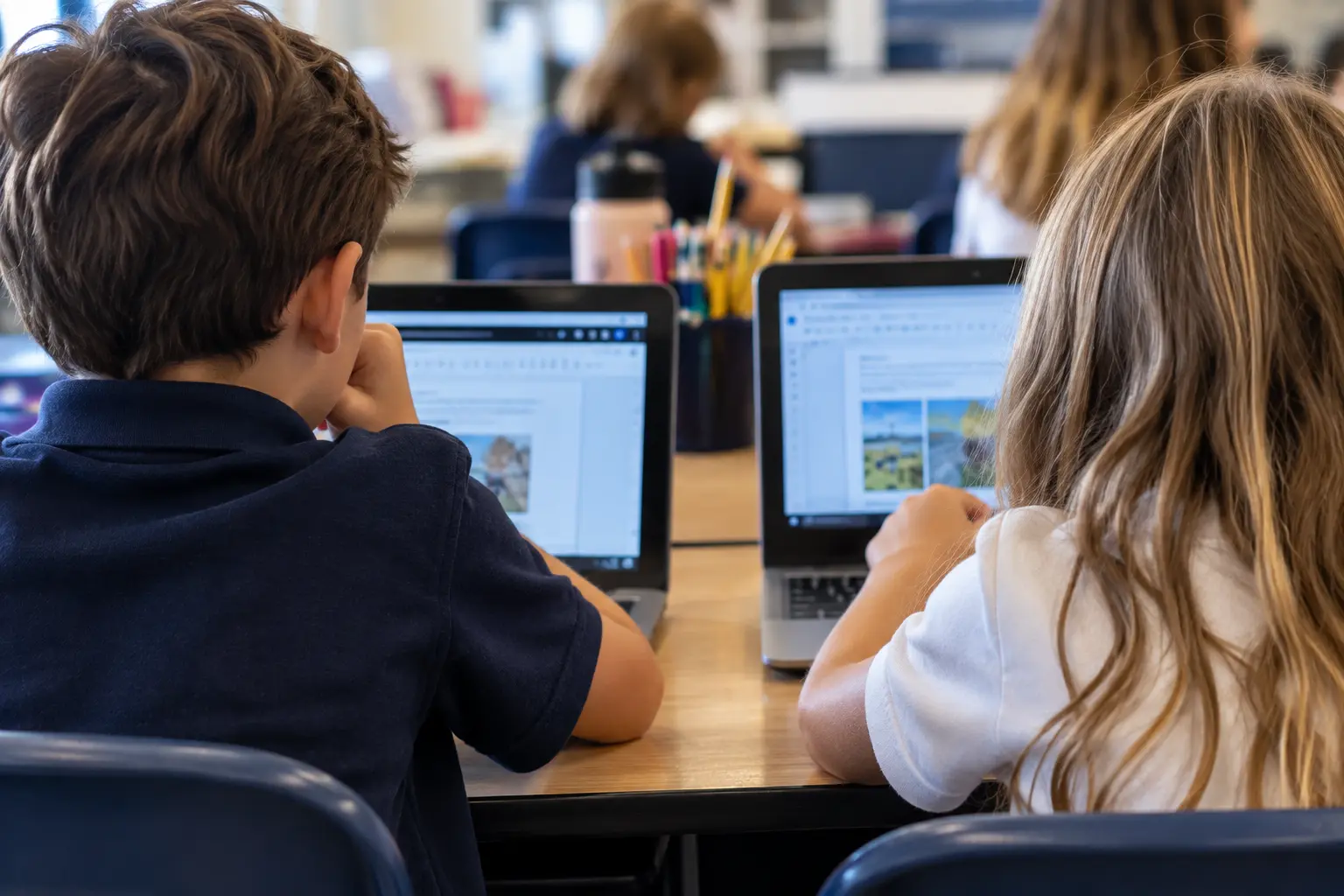
The Beverly Hills Unified School District Board of Education approved a new resolution on March 24 directing the district to develop a comprehensive student screen time policy for the 2026-27 school year, marking a formal step toward setting clearer expectations around classroom technology use.
Resolution No. 2025-2026-14, titled “Using Technology with Intention: Establishing Guidelines for Student Screen Time,” passed on a 3-2 vote. Board President Judy Manouchehri, Vice President Sigalie Sabag and board member Russell Stuart voted in favor.
District officials said the measure is intended to balance innovation with student wellness by creating research-based guidelines for technology use across grade levels. The coming policy is expected to place particular emphasis on limiting screen time for younger students while continuing to support digital learning and career readiness for older learners.
“This is an exciting moment for our district, we are taking a thoughtful, forward-looking step to ensure technology supports our students in the right way, with balance, intention, and purpose,” Manouchehri said. “It provides for both a limitation of screen time in the younger years, while maintaining BHUSD’s commitment to innovation, technical education and career-readiness for our older students.”
According to the district, the future policy will include grade-level recommendations and limits for screen time, reduced reliance on devices in early education through second grade, increased use of traditional learning methods such as paper and pen, greater transparency for families through screen time tracking and reporting, annual parent consent for digital tools and applications, and continued instruction in digital citizenship, safety and responsible technology use.
The resolution cites research and best practices addressing both the value of technology in modern education and concerns tied to excessive screen exposure, including possible effects on attention, mental health and academic performance.
With the vote, BHUSD signaled that it intends to take a more structured approach to classroom technology use, with district leaders framing the move as part of a broader effort to support students academically, socially and emotionally while preparing them for a digital future.

Join the Conversation
Comments are available exclusively for registered subscribers. Sign up to read comments and share your thoughts on this article.
Get access to exclusive content, breaking news, and community discussions.