


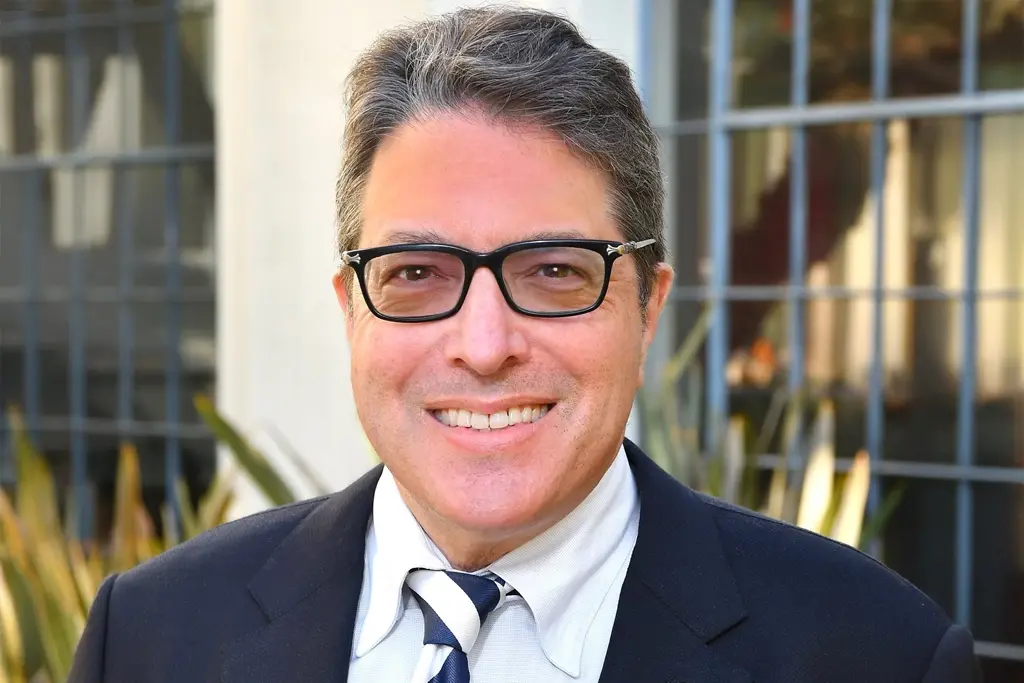
John Mirisch, a long-serving Beverly Hills City Council member and former mayor, has taken legal action to challenge a city decision that would prevent him from appearing on the June 2026 election ballot. Mirisch argues that Beverly Hills officials are wrongly interpreting the city’s term-limit measure to count his earlier council terms against a lifetime cap, and his lawsuit seeks a court order forcing the city clerk to accept his paperwork to run again.
Mirisch’s dispute stems from a measure voters approved in 2022 that limits council members to three terms during their lifetime. Under that rule, city staff have informed Mirisch that he has reached the limit and is ineligible to run again, even though he was already elected to a fourth term after the rule took effect.
The legal argument Mirisch is advancing references established state guidance saying local term-limit laws should only apply to terms served after the rules take effect and should not count service before those rules existed. That interpretation was articulated in an opinion by the California attorney general more than a decade ago, and similar language appears in state law governing how and when municipalities can impose term limits. Mirisch’s counsel says this means his prior service should not count toward the three-term maximum.
Under California Government Code, proposals to limit the number of council terms must apply prospectively, meaning only terms served after the ordinance’s effective date count toward a cap. Mirisch’s legal team says this code language supports his position that earlier terms should not count against him under the Beverly Hills measure.
The city, for its part, has said it is reviewing the lawsuit and has not yet publicly conceded on the interpretation. Beverly Hills officials maintain that the voter-approved measure was intended to count all service when calculating eligibility, and this position is reflected in their initial decision to prevent Mirisch from filing for reelection.
Mirisch’s bid for a fifth term is notable because he has been on the council longer than most of his peers. First elected in 2009, he has served multiple terms and held the mayor’s office three times over his tenure. His experience spans more than a decade of municipal decision-making and makes him one of the most experienced council members in Beverly Hills history.
The lawsuit seeks a writ of mandate, a legal tool that would require the city clerk to accept Mirisch’s nomination papers and place his name on the ballot. His attorneys argue that barring his candidacy not only misreads the term-limit ordinance but also undermines voters’ right to choose their representatives.
Observers say the case highlights the tension between voter-approved limits designed to promote turnover in local government and individual officials’ claims that those limits should not reach backward into past service. How the court resolves that tension could shape not only Mirisch’s political future but also how term limits are applied in Beverly Hills and potentially other cities with similar measures.
The next steps in the legal process will involve the court reviewing the city’s ordinance language, state code provisions, and the attorney general’s prior interpretation to determine whether Mirisch can appear on the 2026 ballot. At stake is both a familiar political figure’s ability to continue serving and a broader question about how local democratic rules interact with state law.



Join the Conversation
Comments are available exclusively for registered subscribers. Sign up to read comments and share your thoughts on this article.
Get access to exclusive content, breaking news, and community discussions.